



STOREFRONT SERIES
A series spotlighting the founders behind QUOC's global stockists — creatives and community builders shaping local cycling culture from the ground up. We talk origins, ethos, and the landscapes that influence how they ride, build and curate.
A Brand Built from the Ground Up
Matchy is a French cycling apparel brand with a London-inspired soul. Originally founded in the UK in 2016 by Geoffrey Baudouin and Flore Gindre, the brand quietly grew in the background while its founders held down day jobs — until Covid forced a reckoning and gave them something they never had before: time. Today Matchy operates a clubhouse in Annecy, organises its own ultra-cycling event, and makes kit that takes its cues from durability and transparency rather than trend cycles.

The Origins
Take us back to the beginning. How did Matchy start?
We created Matchy in 2016 while we were living in London. I'd spent eight years working at Oakley — three in London, five back in France — so I was immersed in the world of cycling apparel, but neither of us had any background in textiles or engineering. Flore was in graphic design, I was on the commercial side. It was messy in those early days: working full-time, no winter collection, just testing designs we liked and figuring out how to actually get jerseys made.
But London was the spark. We were struck by the scene — MAAP and Black Sheep were starting out, Rapha had opened in Spitalfields. There was a café culture around cycling in the city that simply didn't exist in France at the time. Beyond Café du Cycliste, the options were traditional brands that didn't exactly spark desire. We thought: this wave is going to arrive in France eventually. Why not be the ones to bring it? We envisaged equal product for women and men from day one as a non-negotiable. And transparency about how things were made.
When did everything shift from a side project to a real business?
Covid. It sounds strange, but it handed us what a brand needs most: time — or money. Until then we had neither and now we had both. We developed more products, shot proper photos, and the whole thing started to look like a brand. Flore went full-time in 2021 and I followed in 2022, the year we'd decided to open the clubhouse.
“Today we’d rather manufacture locally with a non-recycled fibre than have something recycled made in Asia. Everyone has their own convictions — but that one is ours.”
— Geoffrey Baudouin

The Clubhouse
You opened a physical space very early, before most brands your size would consider it. Why?
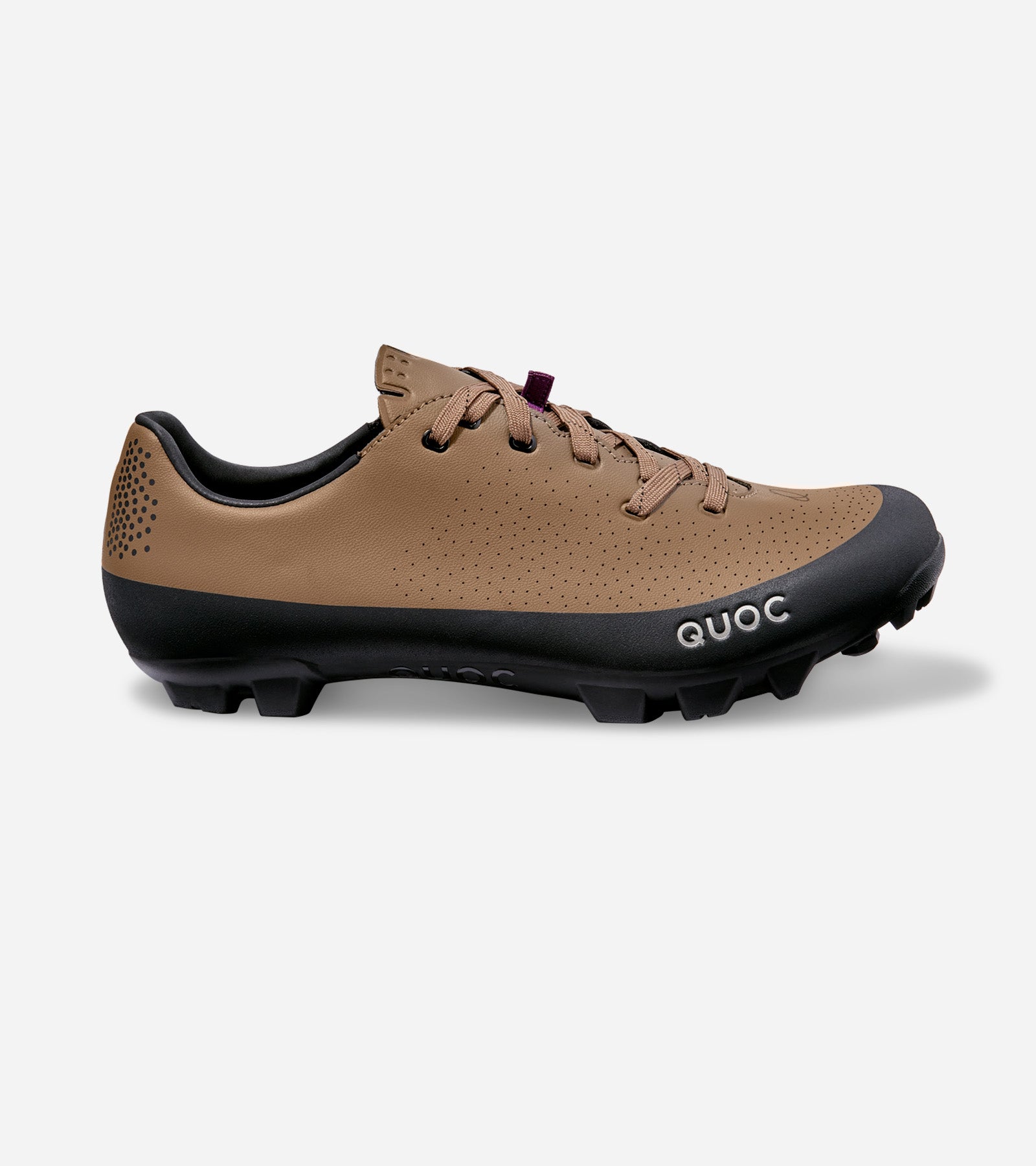
The London inspiration wasn't just about the kit — it was the whole ecosystem. Rapha, Look Mum No Hands, and Bikeworks, a little workshop under a Victorian railway arch with group rides every Saturday, where I picked up my first pair of QUOC shoes back in 2015 (the black Night Shoe with a little pink-red stripe). That atmosphere made us want to create something similar in France.
Practically speaking: a decent office in Annecy costs 700–800 euros a month. For a bit more, you can have a space where you work, create connections, and let customers try the product. Cycling kit is technical — people need to try it on.
“Your core community keeps you alive. It doesn’t guarantee you’ll still be here in three years. At some point you have to open up.”
— Geoffrey Baudouin
A clubhouse like this must have been rare in Annecy. How did people react when you opened?
I remember the opening night — three guys standing there in polite disbelief, like: “interesting concept, good luck with that.” Today there are four or five spaces like ours in the city. For us the shop turned out to be an accelerator, not a burden.
With more people coming through the doors, how did the community shift?
It changed everything, but it killed something too. When you open a physical space, you can't stay exclusive. You lose some of your inner circle — people who joined precisely because it felt like a tight group. I learned that while your core community keeps you alive, it doesn't guarantee you'll still be here in three years. At some point you have to open up. So we evolved. We stopped running only our own rides and started collaborating with local communities who do it brilliantly. That allows us to focus our energy on bigger events and more distinctive activations.

Les Géants
You organise your own ultra-cycling event. Where did that come from?
We believed ultra was going to explode — what happened in trail running was going to land in cycling. We'd looked at partnering with existing events, but the naming rights alone on one early race were €50,000 for 130 starters. We laughed. The most affordable way to have your name on an event is to organise it yourself.
Annecy ticked every box straight away: an attractive city and a genuinely appealing route. The mountains are the product. We also found that ultra events are often chaotic for anyone not racing, with random checkpoints across the country. Here, someone does the 300km and their family stays by the lake. Everyone's in the same place in the evening, so it makes sense for riders and their families.
How has it grown?
We went from 98 riders two years ago to nearly 210 this year. Eventually, we'll hit 250–300, which is exactly where we want to be for the intimacy to stay intact. This year we added gravel which I'd been hesitant to do because I lean towards fast, rolling gravel, not technical crawling. But I had a route in my head that was genuinely spectacular, and half of what I ride personally is gravel. I believe if you love something, let it show in what you do.
Product and the Future
You now make kit specifically for ultra-distance cycling. Tell us about that direction.
With the first ultra jersey, we said: no limits. Best fabric, best construction, best everything. It cost us €200 to make. We sold it at €389. The margin wasn't great, but it got people talking in a way nothing else had — the two-tone design with the white pockets became a reference point.
We've rebuilt the range around it. The bib uses a Cordura panel — when you're sleeping on a bus shelter bench at kilometre 600, your kit needs to be resistant. The fabric is 160g versus the 200–220g standard. That's 20% lighter. On a bib short worn for 70 hours straight, that matters. Less fashion cycling, more honest performance. The rider who has two or three ultras a year on the calendar and needs kit that matches that.
What's next beyond Annecy?
We've built a lot here — the shop, the event, the community. But that can't be the whole story. We're doing pop-ups, showing up at events elsewhere. The goal is to show that a small brand can make technical, innovative, performant products without being a giant. Innovation has to be a pillar. There are plenty of good-looking jerseys out there. If that's all you are, you're already replaceable.

One piece of advice for someone starting a brand or a business?
Two things. First: have something outside it, something with no connection to what you do. For Flore it's horseriding, for me it's hockey. Because embodying a brand every single day is heavy. You're human. You have bad days. But people still want that version of you that's always switched on.
Second: don't listen to people too much. When we launched, everyone had opinions. They rarely followed through. At some point you have to hold your line. Listen to the market, yes. But know what you are and go for it, even if you lose people along the way. We've made some of our products more premium and probably lost customers who loved our earlier prices. But we've built something we're genuinely proud of — and the ultra range wouldn't exist if we'd kept chasing the middle.
Photography by: Arthur Vaillant
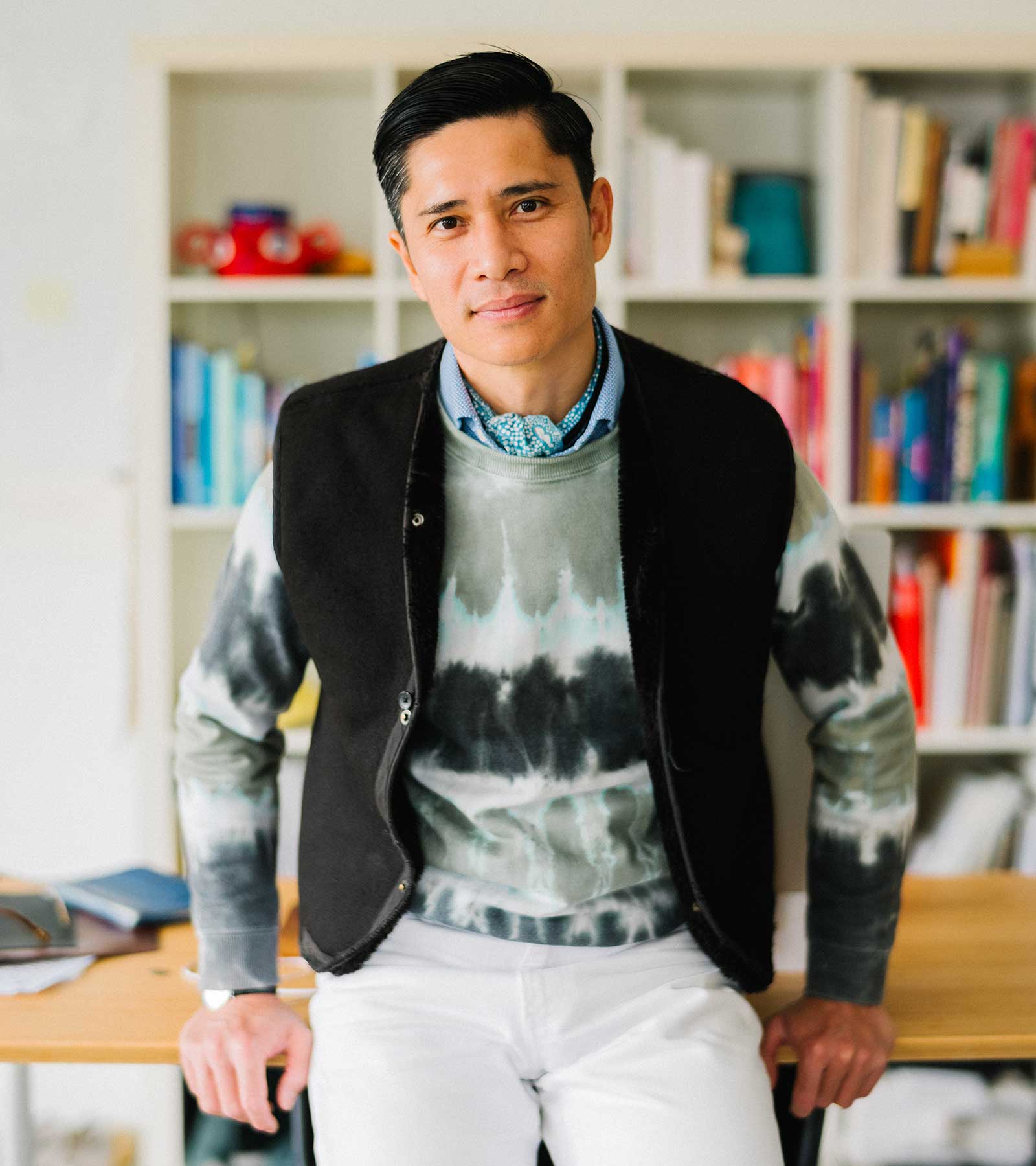
What Geoffrey Wears: